
What Is Chinamaxxing? Meaning, Origins, and Debate
Learn what Chinamaxxing means, how the Becoming Chinese meme spread, and why people disagree about this viral cultural trend.
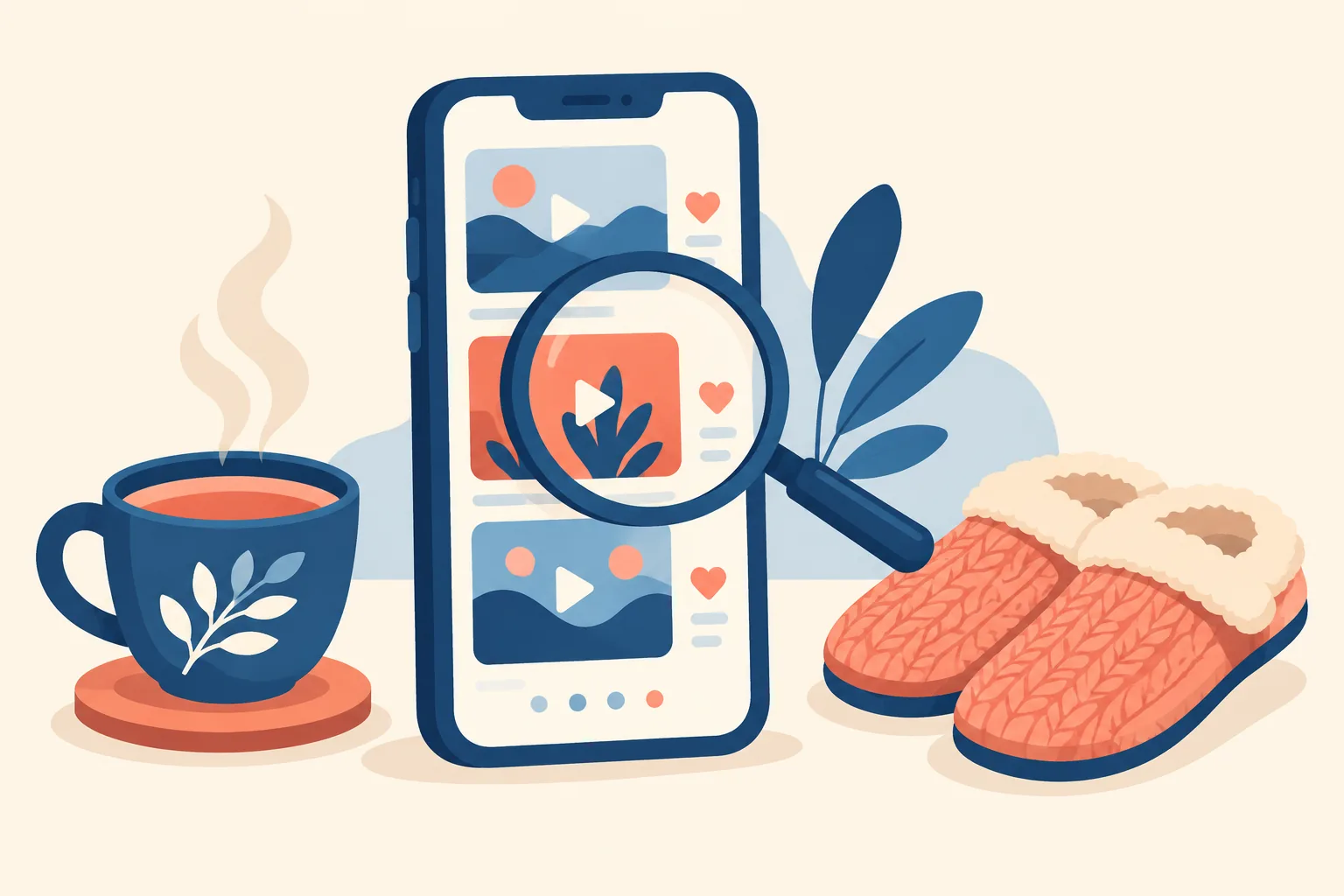
Chinamaxxing is an internet meme in which people, especially Western social media users, describe themselves as “becoming Chinese” by adopting selected habits, products, or aesthetics associated with China. Typical videos show someone drinking hot water, wearing slippers indoors, eating congee, practicing traditional stretches, or entering a “Chinese era.” The tone may be sincere, playful, ironic, or all three at once.
The trend is easy to recognize and difficult to summarize fairly. It can express genuine cultural curiosity, but it can also flatten a vast and varied culture into a short checklist. Understanding Chinamaxxing therefore requires more than translating the hashtag.
What does Chinamaxxing mean?
The word combines China with -maxxing. Merriam-Webster describes “maxxing” as optimizing some part of life, often to an extreme. Online, the suffix is also used humorously to mean going all in on a quality, habit, or identity.
In Chinamaxxing posts, “Chinese” does not usually claim literal nationality or ancestry. It works as an exaggerated internet category. Related captions include “becoming Chinese,” “you met me at a very Chinese time in my life,” “Chinese era,” and “newly Chinese.”
That loose meaning is important. There is no official Chinamaxxing routine, manifesto, or membership. It is a cluster of jokes and lifestyle posts connected by recurring language.
What appears in Chinamaxxing videos?
Common examples reported across the trend include:
- drinking hot or warm water instead of iced drinks;
- wearing slippers inside the home;
- eating congee, hotpot, or other Chinese foods;
- practicing tai chi, qigong, or traditional stretching;
- trying traditional Chinese medicine-inspired wellness routines;
- using Chinese apps, fashion, beauty products, or consumer brands;
- visiting Chinese cities or sharing videos of infrastructure and public life.
These examples do not define how all Chinese people live. Some are widespread habits, some belong to particular families or regions, and some are selected because they look distinctive in a short video. Treating the list as a universal description would confuse a meme with demographic evidence.
Health claims need separate scrutiny too. A viral clip about hot water or an herbal preparation may describe a family practice without proving a medical effect. Cultural popularity does not replace clinical evidence.
Where did the trend come from?
There is no well-supported single inventor of Chinamaxxing. The clearest accounts describe a gradual convergence rather than one original post.
The Guardian reported that “becoming Chinese” videos were gaining popularity from around mid-2025. In January 2025, American users facing a possible TikTok ban had also moved to Xiaohongshu, known in English as RedNote, where unusually direct exchanges exposed them to everyday posts from China. By late 2025 and early 2026, phrases such as “becoming Chinese” and “a very Chinese time in my life” had become recognizable meme formats.
Individual creators helped amplify particular versions. BBC News identified Chinese American creator Sherry Zhu as an influential voice behind wellness-focused posts and the recurring line “Tomorrow you’re turning Chinese.” That makes her an important participant, not necessarily the sole originator of the entire trend.
By February 2026, BBC News, Channel NewsAsia, and The Conversation were all treating Chinamaxxing as an established social media phenomenon. The reporting itself likely helped move the term beyond TikTok into general discussion.
Why did Chinamaxxing become popular?
No single explanation accounts for every post, but four forces appear repeatedly in reporting and commentary.
Everyday life became visible
Cross-platform videos showed ordinary details that did not fit older Western images of China. Kitchens, family routines, city transport, fashion, and comment-section conversations can feel more immediate than official messaging or geopolitical news.
Wellness content was easy to imitate
Hot drinks, indoor slippers, and gentle exercises have a low barrier to participation. They also fit the familiar social media format of turning daily habits into a personal reset.
Chinese products and cities had new visibility
Labubu toys, Chinese beauty trends, electric vehicles, apps, tea and coffee chains, and travel videos from cities such as Chongqing gave the meme a wider consumer and visual backdrop. These subjects are not one culture, but the algorithm can bundle them into one mood.
The meme could signal dissatisfaction with the West
Some participants use Chinamaxxing as a joke about declining faith in American institutions, infrastructure, or consumer life. BBC News noted this interpretation while also stressing that it is unclear how much it drives the trend. A funny caption is not reliable evidence of a person’s politics.
Is Chinamaxxing appreciation or appropriation?
The honest answer is that it can be either, or neither, depending on the post.
The Conversation argues that many videos are thoughtful or affectionate, including posts by members of the Chinese diaspora who share family knowledge. From this perspective, the meme opens a door to cultural exchange and challenges years of one-dimensional hostility toward China.
The criticism is not abstract, however. Channel NewsAsia interviewed members of the Chinese diaspora who remembered being mocked for the same food, accents, or customs that social media now treats as fashionable. Some object to claiming a Chinese identity for views while ignoring the racism attached to living with that identity.
The Guardian’s interviews capture the tension well: several people found the trend jarring, while others welcomed a rare moment in which Chinese people seemed to be laughing with the internet rather than serving as its target.
A useful way to judge a specific post is to ask:
- Does it credit the people or tradition it draws from?
- Does it present one habit as a personal example or as proof of how “the Chinese” live?
- Is the humor shared with Chinese participants, or does Chinese identity supply the punchline?
- Does curiosity continue beyond buying a product or copying a ritual?
- Are health, history, or political claims supported by evidence?
How should you read claims about Chinamaxxing?
Separate three layers that viral coverage often mixes together.
First, observation: a video exists, uses a certain caption, and received attention. Second, interpretation: the creator may be expressing admiration, irony, frustration, or commercial intent. Third, explanation: the trend supposedly proves a geopolitical shift or a generation’s new worldview.
The first layer can often be checked directly. The second needs context from the creator. The third requires broader evidence than a collection of popular clips. This distinction is useful whenever a social media trend is presented as proof of what an entire country or generation thinks.
It also helps to compare sources with different perspectives. A definition page can explain vocabulary; a reported feature can document participants’ experiences; an academic or expert analysis can propose a framework. None should be treated as the whole story by itself.
Frequently asked questions
Is Chinamaxxing the same as “becoming Chinese”?
They usually refer to the same broad meme. “Becoming Chinese,” “Chinese era,” and “a very Chinese time in my life” are recurring phrases, while Chinamaxxing is the compact label used to group the posts together.
Is Chinamaxxing a political movement?
No organized movement or shared political program defines it. Some posts use the meme to criticize Western life or praise aspects of China, while others are lifestyle jokes with little political intent.
Is the trend offensive?
There is no single consensus. Many viewers see cultural appreciation and playful exchange. Others, especially some people in the Chinese diaspora, see stereotypes or a painful double standard. The content, context, and treatment of Chinese participants matter more than the hashtag alone.
Does Chinamaxxing describe real life in China?
Only in fragments. Its recurring habits may be real for some people, but a viral selection cannot represent more than a billion people, many regions, and widely different daily lives.
The useful lesson is bigger than the meme
Chinamaxxing matters less as a fixed definition than as an example of how algorithms compress culture. A few recognizable images make participation easy, but the same simplicity can erase differences and history. The best response is neither automatic celebration nor automatic dismissal. It is sustained curiosity with evidence and context.
To practice reading a current cultural argument rather than merely scrolling past it, review how reading speed and comprehension work together and how to run an AI reading test. Then use this article in a LumenRead reading session and see whether you can distinguish the trend’s definition, evidence, and competing interpretations.